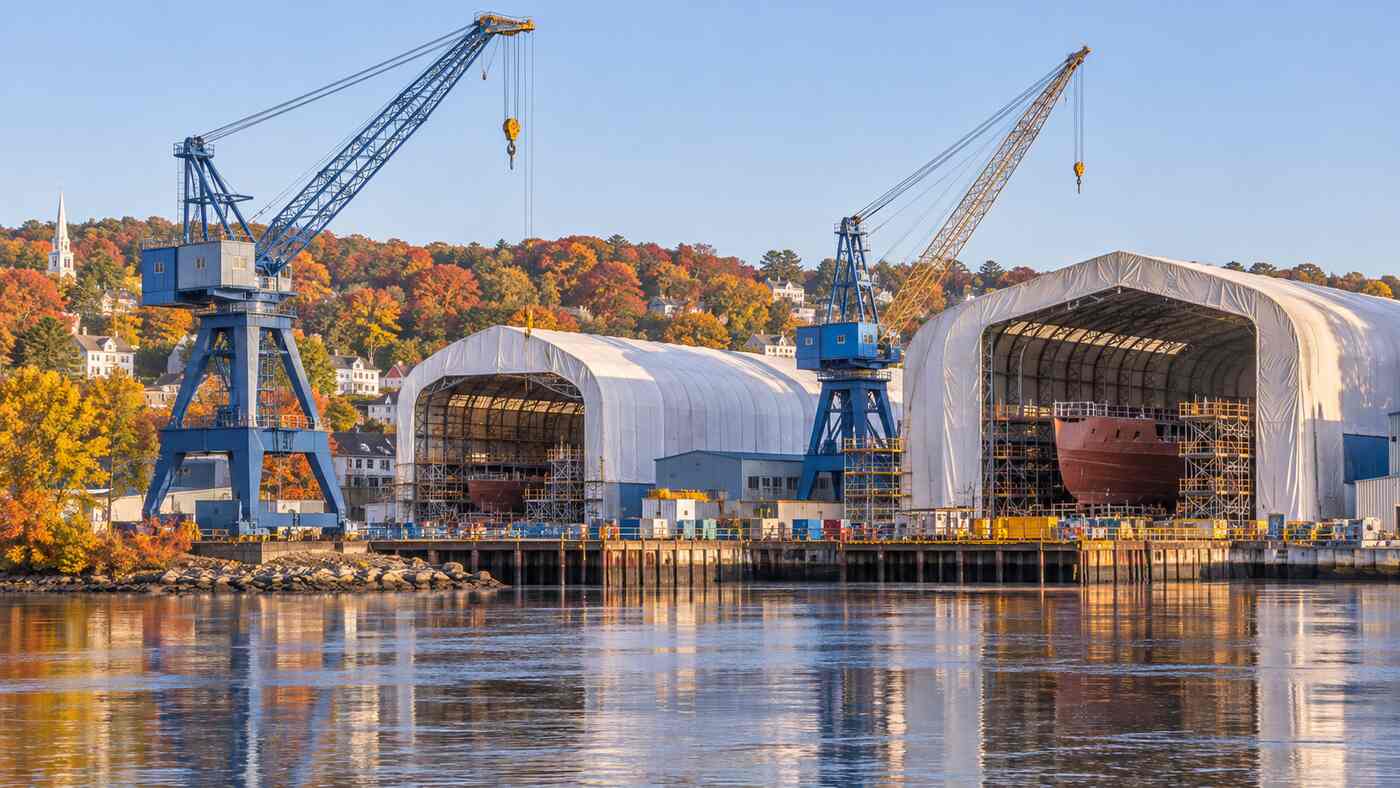
In short: Connecticut economic conversion law has two main parts. Since 1994, defence contractors with more than $1 million a year in contracts that receive state economic development help must set up alternative use committees to plan civilian products and retraining. In 2013, Public Act 13-19 renamed a state defence diversification commission the Commission on Connecticut’s Future and asked it to report on conversion of defence industries to environmentally sustainable civilian manufacturing. The stakes are large: the Pentagon estimated $25.3 billion of defence spending in the state in fiscal 2023.
The old Jobs Not Wars site reported in 2013 that Connecticut’s Senate had approved a bill to map economic conversion through a futures commission. This guide explains what that law actually said, how it fits with older state statutes, and why defence spending matters so much to Connecticut. For background on the idea itself, see economic conversion explained.
What is the Commission on Connecticut’s Future?
The Commission on Connecticut’s Future is a state body whose earlier name says a lot about its purpose: the Connecticut Commission on Business Opportunity, Defense Diversification and Industrial Policy. Public Act 13-19, which began as Substitute Senate Bill 619 and was approved on May 28, 2013, gave it the new name and new members.
The act added representatives of a peace organisation and an environmental organisation to the commission. It required a report by December 1, 2014, including strategies for the diversification or conversion of defence-related industries, with an emphasis on environmentally sustainable civilian manufacturing.

Who sits on the commission?
The membership is set out in section 32-245 of the Connecticut General Statutes, Chapter 588m. It draws on several interests: organised labour through the state AFL-CIO, business through the Connecticut Business and Industry Association, the Connecticut Academy of Science and Engineering, and representatives of large and small defence-dependent businesses, alongside the peace and environmental members added in 2013. The statute’s history notes record a later amendment by Public Act 14-79, effective June 3, 2014.
The mix reflects the political shape of conversion debates. Unions want job security, businesses want contracts and markets, and peace and environmental groups want a different spending mix.
Alternative use committees since 1994
Connecticut’s older and more direct conversion provision is in section 31-362g of the General Statutes, Chapter 569a. It applies to defence contractors with contracts worth more than $1 million a year that receive financial assistance from the Department of Economic and Community Development after October 1, 1994.
Those contractors must establish an alternative use committee made up of employees and employers. The committee’s job is to prepare a plan for alternative products and for retraining workers, so that the firm and its staff are ready if defence work declines. The approach echoes the conversion planning model described in our conversion explainer.

Other state defence statutes
Two further provisions complete the picture. Section 32-58 of the General Statutes, as published by Justia, requires the Department of Economic and Community Development to include information on the state’s defence dependency in its annual report, due by September 1. And the state once had an Office of Defense Diversification under section 32-222a; that section was repealed with effect from May 7, 2008.
Timeline
| Date | Event |
|---|---|
| October 1, 1994 | Alternative use committee rule applies to newly assisted defence contractors |
| May 7, 2008 | Office of Defense Diversification section repealed |
| May 28, 2013 | Public Act 13-19 approved, creating the Commission on Connecticut’s Future name |
| June 3, 2014 | Public Act 14-79 amendment takes effect |
| December 1, 2014 | Deadline for the commission’s report under the 2013 act |

How much defence spending goes to Connecticut?
The size of the defence sector explains why the state legislates on conversion at all. The Pentagon’s release on fiscal 2023 defence spending by state ranked Connecticut sixth in total defence spending at $25.3 billion, and named it with Virginia and Hawaii as the states where defence spending weighs most heavily relative to the economy.
The detailed Connecticut state profile from the Office of Local Defense Community Cooperation puts defence spending at 7.4 percent of state GDP, about $6,986 per resident, with $24.3 billion in contracts and 14,499 defence personnel. About 90 percent of contract spending went on supplies and equipment, and New London County alone accounted for about $10.7 billion.
The Connecticut Office of Military Affairs annual report names the three largest contractors for fiscal 2023: Electric Boat at $10.5 billion, Pratt & Whitney at $8.5 billion and Sikorsky at $4.2 billion. It notes that defence spending averaged 2.6 percent of GDP across all states, about a third of Connecticut’s share. The Day reported that the state’s $24.3 billion in contracts in 2023 was a record.

What Connecticut economic conversion law can and cannot do
Connecticut’s statutes create planning duties and advisory bodies; they do not order any company to stop defence work or switch products. The alternative use rule applies only to contractors that take state assistance, and the commission’s role is to study and recommend. Our sources do not show how many committees have been formed or what the 2014 report concluded, so we cannot assess their effect.
Concentration cuts both ways. Heavy reliance on a few large programmes, including engines for the F-35 described in our F-35 program cost guide, makes the state sensitive to federal budget decisions such as those covered in our sequestration guide.
Key takeaways
- Connecticut economic conversion law requires alternative use committees at state-assisted defence contractors with more than $1 million a year in contracts.
- Public Act 13-19 of 2013 created the Commission on Connecticut’s Future and asked for a conversion strategy report by December 1, 2014.
- The commission includes labour, business, academic, peace and environmental members.
- Defence spending in Connecticut was $25.3 billion in fiscal 2023, about 7.4 percent of state GDP.
- Electric Boat, Pratt & Whitney and Sikorsky are the largest contractors.
Common questions
Did Connecticut pass an economic conversion law in 2013?
Yes, in part. Public Act 13-19, approved on May 28, 2013, renamed the state’s defence diversification commission the Commission on Connecticut’s Future, added peace and environmental members, and asked it to report on strategies including conversion of defence industries to environmentally sustainable civilian manufacturing.
What is an alternative use committee in Connecticut?
Under section 31-362g, defence contractors with more than $1 million a year in contracts that receive state economic development assistance after October 1, 1994 must set up a committee of employees and employers. It plans alternative products and worker retraining in case defence work declines.
How much defence money goes to Connecticut?
The Pentagon estimated $25.3 billion in defence spending in Connecticut in fiscal 2023, sixth among the states. The state profile puts that at 7.4 percent of state GDP and about $6,986 per resident, with most of it in contracts for supplies and equipment.
Which companies receive the most?
The Connecticut Office of Military Affairs lists Electric Boat at $10.5 billion, Pratt & Whitney at $8.5 billion and Sikorsky at $4.2 billion for fiscal 2023. Electric Boat builds submarines in Groton, Pratt & Whitney makes jet engines and Sikorsky builds helicopters.
Does the law force companies to convert?
No. The statutes require planning by certain state-assisted contractors and create a commission to study and recommend strategies. They do not require any company to give up defence work or adopt civilian products.
How we put this together: we read the text of Public Act 13-19 and the relevant chapters of the Connecticut General Statutes, then took spending figures from the Pentagon’s state report, the state Office of Military Affairs and regional reporting. We could not locate the commission’s 2014 report. Return to the home page.
Sources
- Connecticut General Assembly, Public Act 13-19
- Connecticut General Statutes, Chapter 588m
- Connecticut General Statutes, Chapter 569a
- Justia, Connecticut General Statutes section 32-58
- Justia, Connecticut General Statutes section 32-222a
- US Department of Defense, defence spending by state FY2023 release
- Office of Local Defense Community Cooperation, Connecticut FY2023 profile
- Connecticut Office of Military Affairs, annual report FY2023-24
- The Day, Connecticut’s $24B defense industry