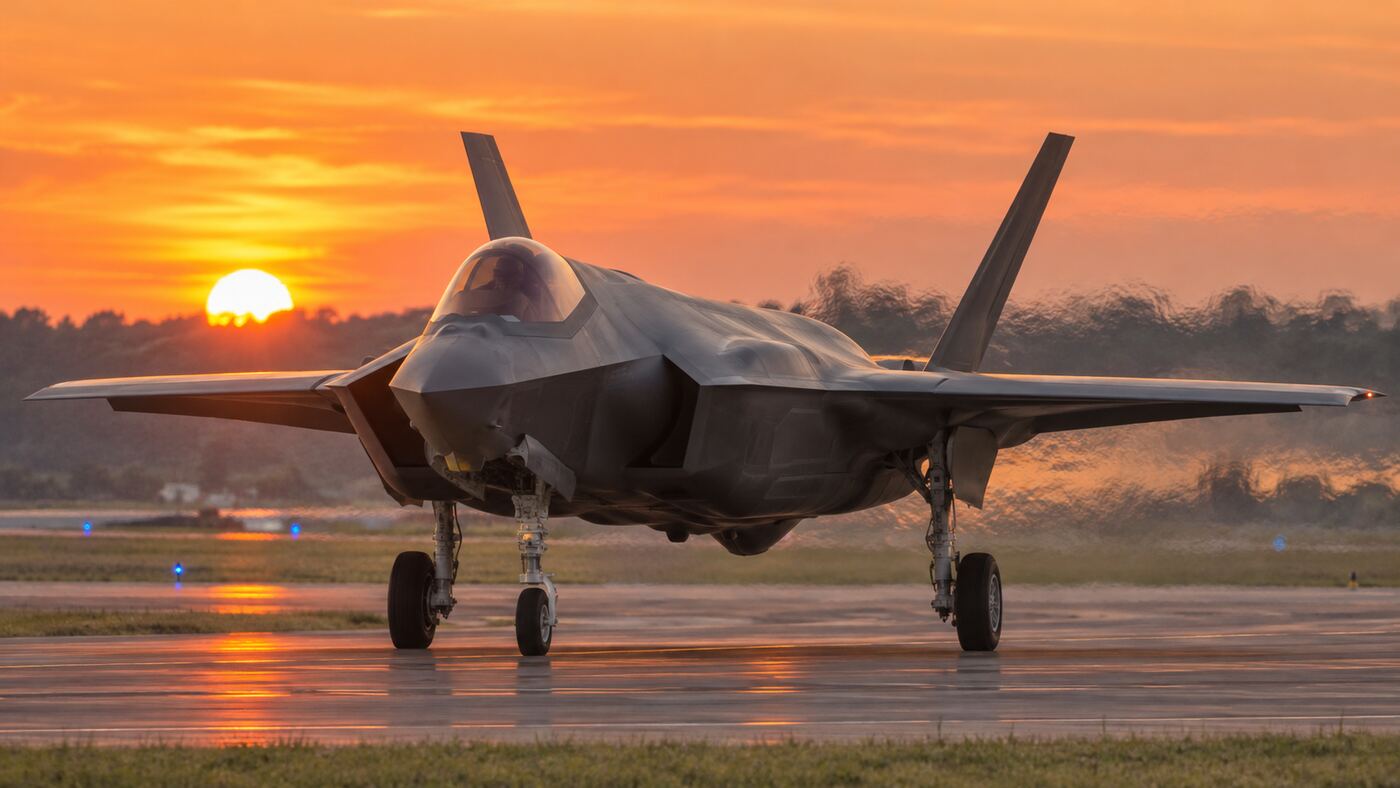
In short: the F-35 program cost is usually quoted as more than $2 trillion over the aircraft’s lifetime. That total comes from Government Accountability Office (GAO) audits: about $442 billion to develop and buy roughly 2,500 jets, and about $1.58 trillion to operate and maintain them, a figure that rose 44 percent between 2018 and 2023 as the Pentagon planned to fly the jets until 2088. The GAO’s June 2026 report put sustainment at $1.6 trillion as of 2024.
The F-35 Lightning II is the most expensive weapons programme in US history and was a frequent subject on the old Jobs Not Wars site, which posted about its helmet costs, its cost models and its critics. Numbers about the programme are often mixed up: acquisition with sustainment, per-jet prices with lifetime totals, and estimates from different years. This guide sorts them out using GAO reports.
What is the F-35 program?
The F-35 is a family of single-seat stealth fighter jets built by Lockheed Martin in three variants for the US Air Force, Marine Corps and Navy, and bought by several allied countries. The programme is run by a joint Pentagon office. The engine is made by Pratt & Whitney in Connecticut, which our Connecticut economic conversion law guide describes as one of the state’s largest defence contractors.
How much does the F-35 cost in total?
The GAO’s April 2024 report GAO-24-106703 estimated the programme’s total life-cycle cost at more than $2 trillion. That figure has two main parts.
| Cost element | GAO estimate | What it covers |
|---|---|---|
| Acquisition | About $442 billion | Development and purchase of the jets |
| Sustainment | About $1.58 trillion (2023) | Operating and maintaining the fleet over its life |
| Total | More than $2 trillion | Full life-cycle cost |
At the time of that report the Pentagon had received about 630 aircraft and planned to buy about 2,500 in total. Sustainment, not purchase, is by far the larger part of the bill.
Why sustainment costs keep rising
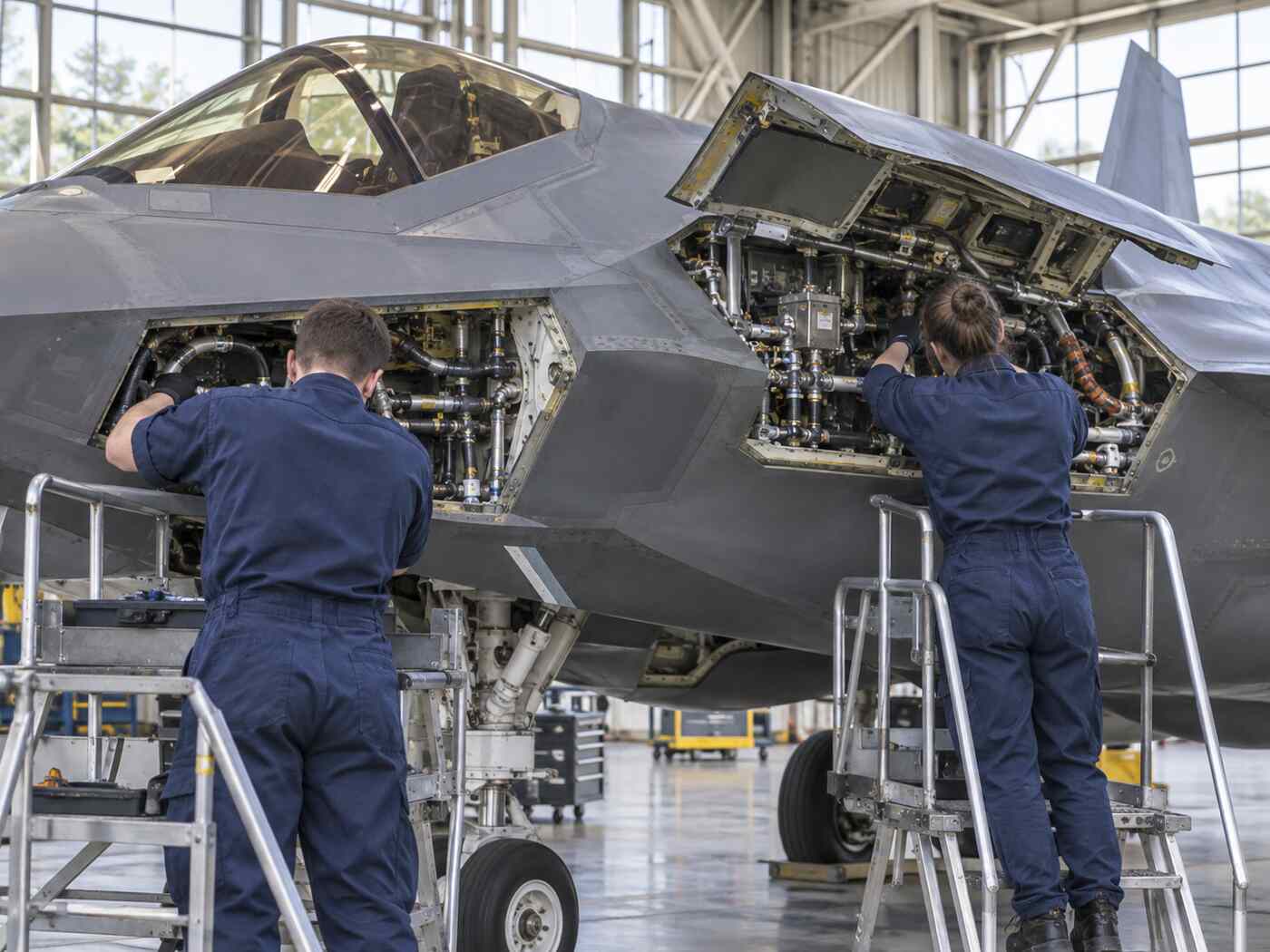
The GAO found that estimated sustainment costs rose from $1.1 trillion in 2018 to $1.58 trillion in 2023, an increase of 44 percent. A major reason was that the services now plan to keep the jets in use until 2088 instead of 2077, adding years of operating costs.
Earlier testimony, GAO-21-505T from 2021, had put the total at more than $1.7 trillion, with sustainment at about $1.3 trillion and 2,456 aircraft planned. It warned that the Air Force would need to cut its cost per aircraft by $3.7 million a year, or 47 percent, by 2036 to meet its own affordability target.
The per-jet operating cost gap
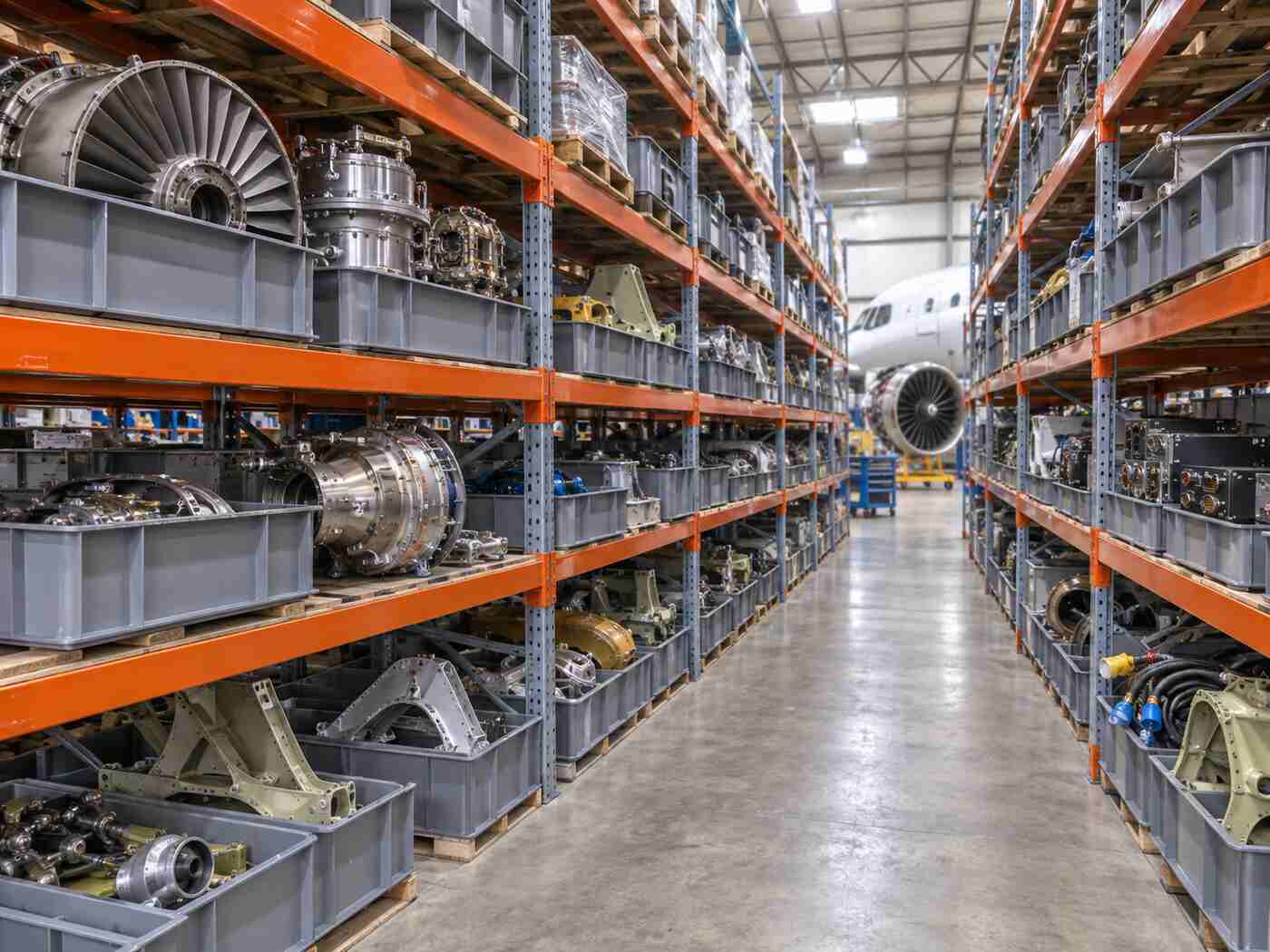
Because the lifetime totals are so large, the GAO also tracks annual cost per aircraft. GAO-24-106703 reported that an Air Force F-35A cost about $6.6 million a year to sustain, against an affordability target of $4.1 million. In June 2023 the Air Force raised its target to $6.8 million, which narrowed the gap between the target and actual costs without changing the costs themselves.
The same report noted that Pentagon cost-cutting initiatives had reduced estimated sustainment costs by about $84 billion, a meaningful sum but small next to the overall increase.
The June 2026 update
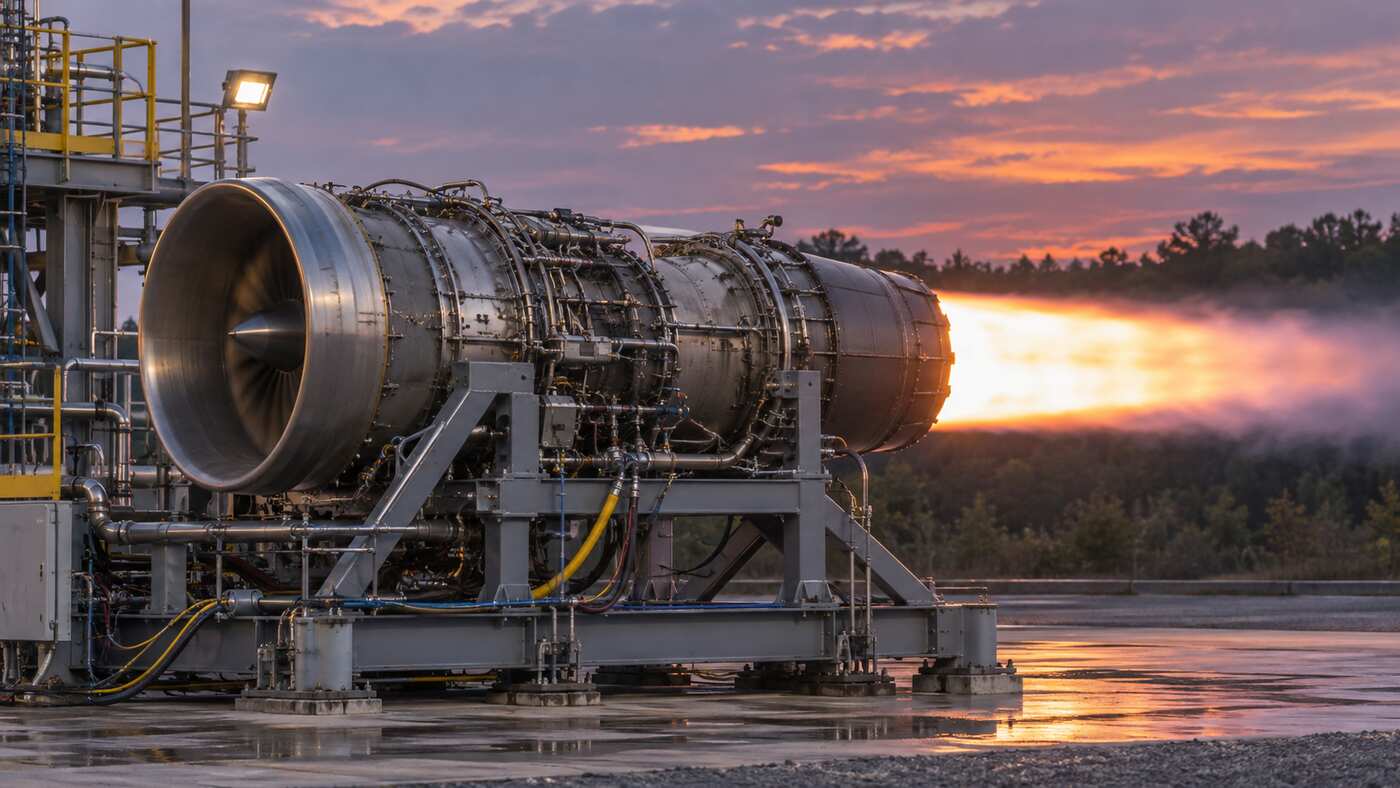
The GAO’s most recent report, GAO-26-108113 of June 11, 2026, put estimated sustainment costs at $1.6 trillion as of 2024. It said the United States had more than 800 F-35s and planned to buy about 1,700 more by the mid-2040s. The 2025 estimate had grown by $18.8 billion, the report said, continuing the upward trend.
Modernisation adds more
Alongside sustainment, the jets are being upgraded through a programme called Block 4, which adds new weapons, sensors and software. The GAO’s May 2024 report GAO-24-106909 reviewed this modernisation effort for a planned fleet of 2,470 US aircraft, and documented delays and cost growth. Modernisation costs are tracked separately from the headline sustainment figure, which is one reason different reports quote different totals.
Timeline of GAO estimates
| Report | Total or sustainment estimate | Planned US fleet |
|---|---|---|
| 2018 estimate (cited 2024) | Sustainment $1.1 trillion | About 2,500 |
| GAO-21-505T (2021) | Total over $1.7 trillion; sustainment $1.3 trillion | 2,456 |
| GAO-24-106703 (April 2024) | Total over $2 trillion; sustainment $1.58 trillion | About 2,500 |
| GAO-26-108113 (June 2026) | Sustainment $1.6 trillion as of 2024 | Over 800 delivered, about 1,700 more planned |

How the figures are reported
Defense News summarised the 2024 report under the headline that the F-35 would cost $2 trillion as the Pentagon planned longer use. Headlines like that are accurate, but they combine money spent over decades, through 2088, across thousands of aircraft. They are not annual figures and cannot be compared directly with a single year’s budget or with the world spending totals in our SIPRI data guide.
Supporters of the programme point to its role in US and allied air forces and the industrial base it sustains. Critics point to the cost growth. Either way, the GAO’s audits are the most consistent public record of what the programme costs.
Key takeaways
- The F-35 program cost is estimated at more than $2 trillion over its life.
- About $442 billion is acquisition; about $1.58 trillion (2023) is sustainment.
- Sustainment estimates rose 44 percent from 2018 to 2023, partly because the jets will fly until 2088.
- An Air Force F-35A cost about $6.6 million a year to sustain against a $4.1 million target.
- The GAO’s June 2026 report put sustainment at $1.6 trillion as of 2024.
Common questions
Why is the F-35 said to cost $2 trillion?
The GAO’s April 2024 report estimated the total life-cycle cost at more than $2 trillion. That combines about $442 billion to develop and buy the jets with about $1.58 trillion to operate and maintain them until 2088. It is a lifetime total, not an annual cost.
How much does one F-35 cost to operate each year?
The GAO reported that an Air Force F-35A cost about $6.6 million a year to sustain, against an original affordability target of $4.1 million. In June 2023 the Air Force raised its target to $6.8 million.
How many F-35s will the US buy?
Plans have called for about 2,500 aircraft, with figures of 2,456 and 2,470 in different GAO reports. The June 2026 GAO report said more than 800 US F-35s had been delivered and about 1,700 more were planned by the mid-2040s.
Why did sustainment costs increase so much?
The GAO found a 44 percent rise from 2018 to 2023, driven in large part by extending the planned service life from 2077 to 2088. Longer service means more years of maintenance, parts and personnel costs. Pentagon initiatives have cut about $84 billion from the estimate.
Does the $2 trillion include upgrades?
The Block 4 modernisation programme is tracked separately by the GAO, which reviewed it in May 2024. Because reports measure different parts of the programme in different years, totals quoted in the press can vary.
How we put this together: we took every cost figure from GAO reports and testimony from 2021 to 2026, noting the year of each estimate, and used Defense News for how the 2024 report was covered. Read more on sequestration or return to the home page.